



Cleaning and repairs for tenants when moving house
In this guide, you’ll learn how to optimally clean and fix up your apartment or house before moving.

Sommaire
Do you live on the upper floors of a building without a lift, or in a multi-storey house? Then you’ll have to deal with stairs when moving house.
And while they do make moving more difficult, there are tricks you can use to move heavy loads without damaging your furniture and, above all... without injuring yourself!
In this guide, we’ll share our five tips for moving without a lift, as well as our best advice for getting your fridge, washing machine, piano and sofa up and down the stairs.
If you’re a frequent reader of this magazine, you won’t be surprised to read that our first recommendation is to get rid of most of your things!
Anything you’ve given away, sold or thrown away you won’t have to carry on the big day.
If you use classified ad sites and can’t take down that old chest of drawers by yourself, make it clear in your listing that the piece of furniture must be picked up directly from your home. A nice quid pro quo, if you will. ;)
To make moving easier, try to take apart as many pieces of furniture as possible.
Wardrobe, bookcase, table, sideboard... taken apart, they will be less heavy to carry and less bulky.
However, not all furniture can be taken apart. Before embarking on this adventure, check out our guide on how to take your furniture apart before you move.
It’s essential to have the right equipment when moving house without a lift.
First and foremost, straps are a must to transport your boxes and pieces of furniture without injuring yourself, whether you’re taking them to your new home or to a self-storage facility.
You’ll also need handling gloves to give you a better grip and prevent any risk of slipping.
Finally, don’t forget bubble wrap, blankets or protective covers to protect your belongings from banging against the walls of the stairwell.
A successful move largely depends on careful packing and protecting your belongings.
Choose boxes that are suitable for each type of items (books, crockery, bottles, etc.) and take the time to seal them with strong adhesive tape.
Make sure you protect the edges and underside of your furniture, empty every drawer and secure all doors. It’s also recommended to cover your furniture during transport.
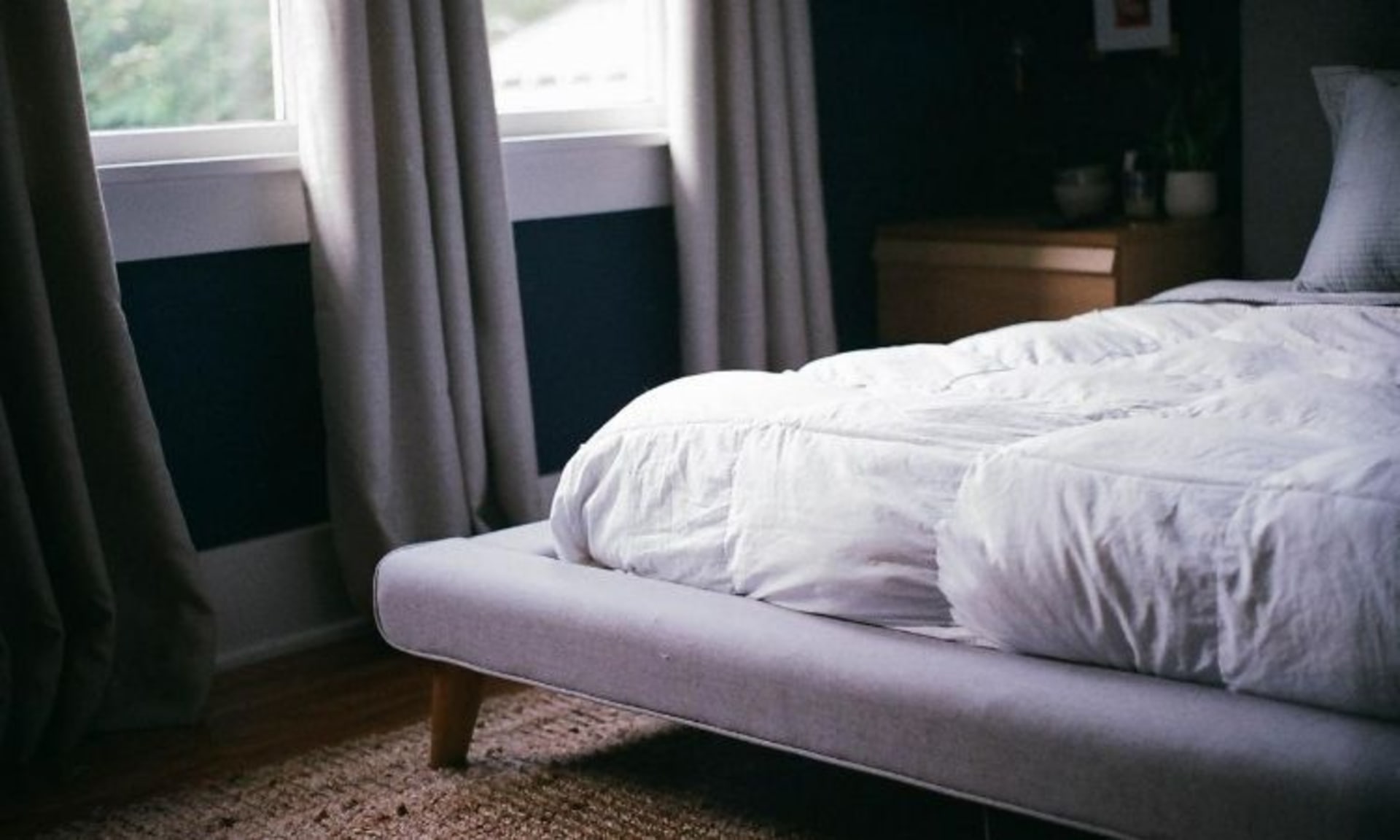
Finally, remember to protect mattresses and slatted bed bases with special purpose covers.
Thinking about moving your fridge without a lift, on your own?
This is a very bad idea. You should get as many people as possible to help you on the day.
Family, friends, colleagues, neighbours... ask around and promise you’ll cook them a meal to thank them!
Still short on manpower?
There are lots of websites where you can call on private individuals for help. It’s a practical, friendly and affordable solution.
The most important thing is to make sure you have the right gear: comfortable clothes, sturdy shoes that won’t slip and non-slip gloves.
<mark class="cdx-marker">Our guide for moving bulky furniture</mark> outlines which precautions to take and what equipment to bring. So give it a read before you set off!
It may seem obvious, but it really is not. Many issues could be avoided if every washing machine was properly emptied before a move.
To get your washing machine down the stairs, remember to:
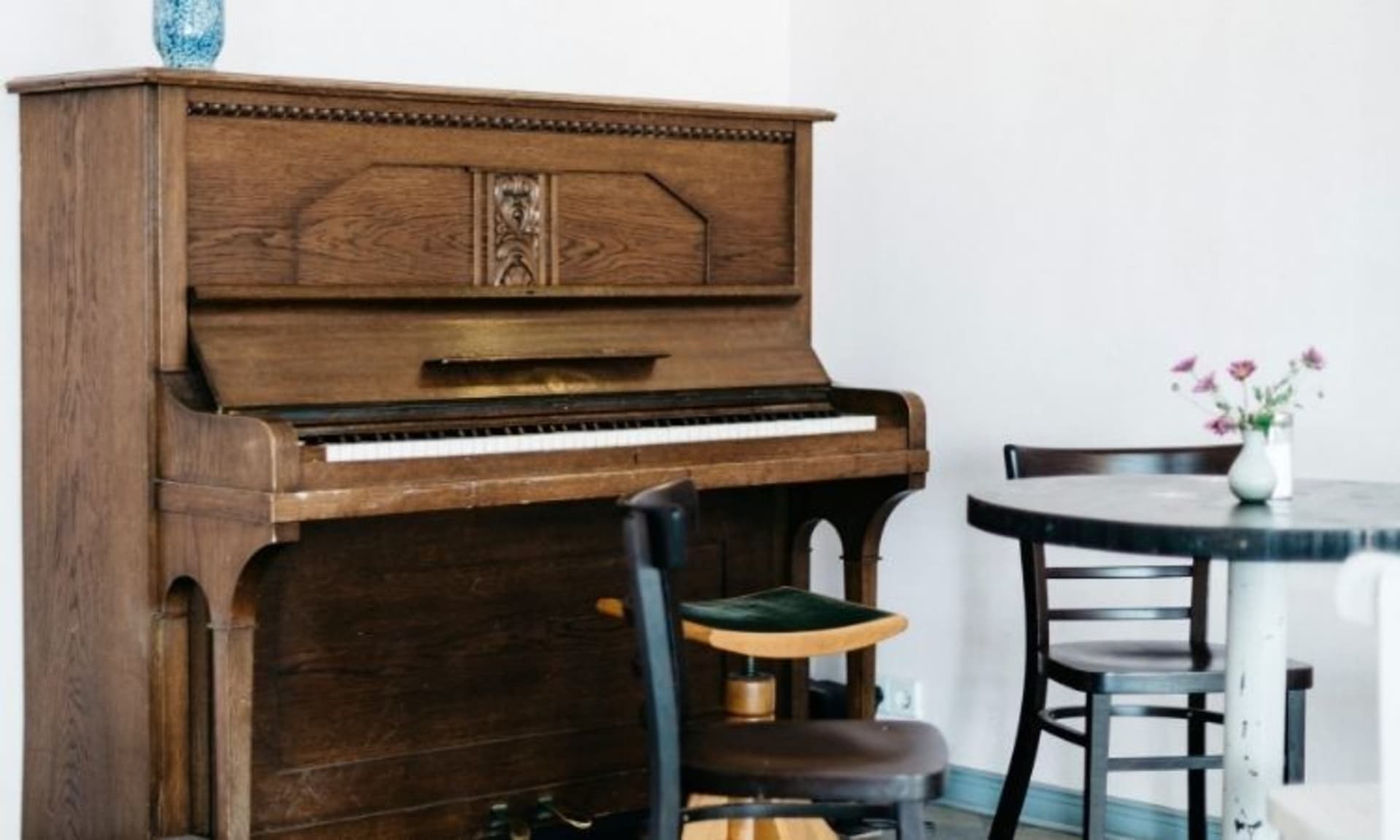
Getting a piano down the stairs is a tricky business. Here’s how to do it:
As a general rule, we strongly recommend calling upon professionals to handle a piano.
Admittedly, this will constitute an additional expense, but that’s nothing against the potential damages if you do it yourself.
Taking a sofa down the stairs should be done as follows:
The fridge needs special attention when moving, especially if you’re taking the stairs:
On top of the traditional equipment mentioned above, more specific, one-off equipment can also be very useful.
Rest assured, there is a wide range of equipment available for short-term hire, and that includes stair climbing trolleys.
Equipped with six wheels, it can go up and down stairs and pavements with a load capacity of several hundred kilos, for around ten euros.
You’ll find a range of trolleys at rental specialists, in shops and online.
Does moving without a lift sound insurmountable? Calling upon a moving company remains the simplest option.
It’s worth noting however that the absence of a lift could drive up the bill.
Similarly, if the stairwell or your front door are too narrow, the use of a ladder hoist could push up the price.
So make sure to ask for several quotes before making a decision.
To find out whether you are allowed to use your building’s lift and in what case, you should read through your co-ownership rules.
In some cases, the owner (or building manager) may prohibit the use of the lift.
Generally, this concerns the transport of furniture, but you can still move bags and boxes of course.
Such rules generally relate to the fear of damage to the lift itself, or could deteriorate relations between neighbours if it is abused.
Partial restrictions on use at certain times of the day are also possible.
If you are given the green light, make sure you follow these basic rules for using the lift:
Also
In this guide, you’ll learn how to optimally clean and fix up your apartment or house before moving.

In this guide, you’ll learn how to thoroughly clean your future home.

In this guide, you will learn how to protect and transport your mattresses, slated bed bases and household linen when moving house.